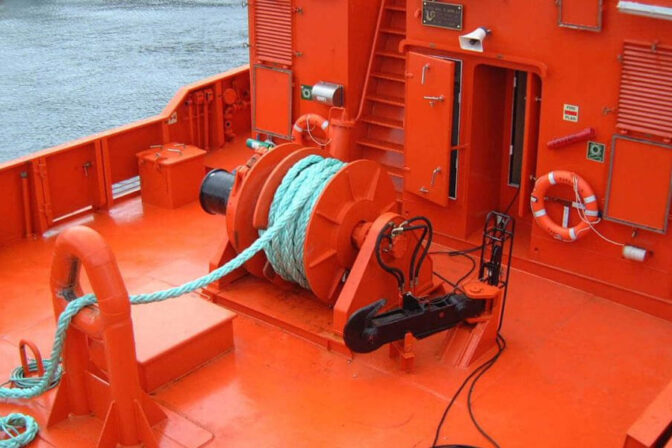
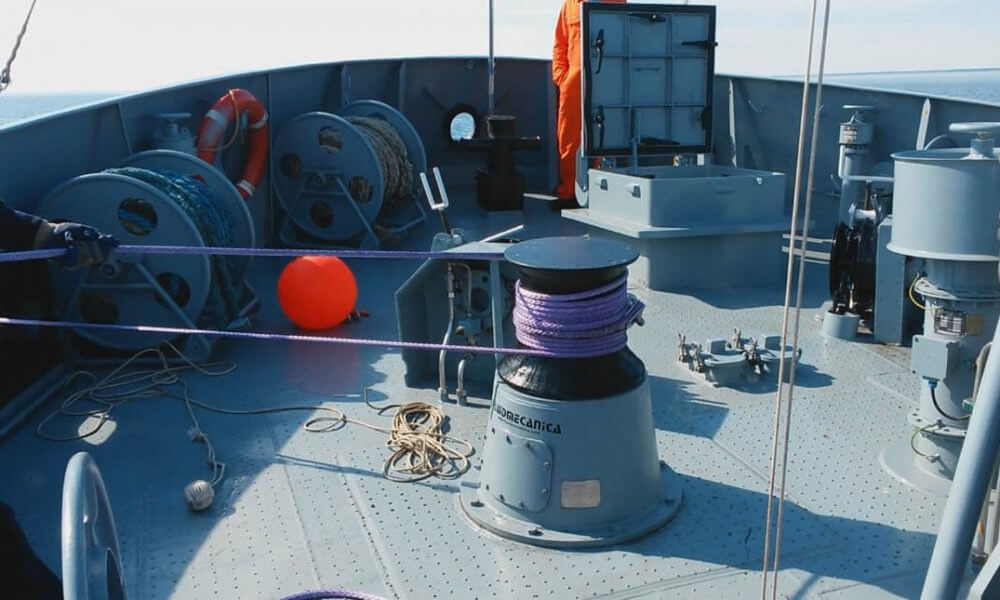
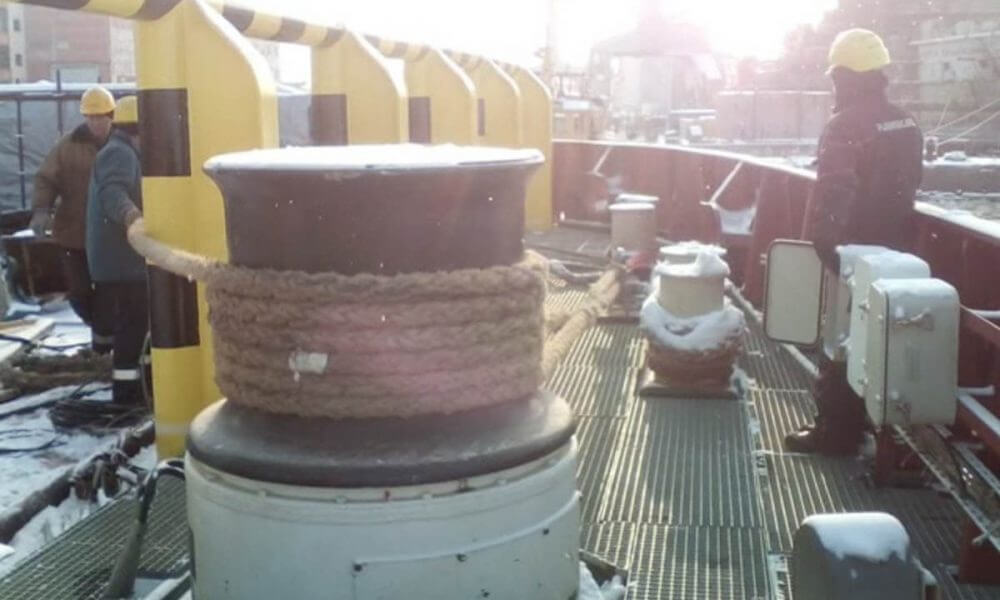
Mooring refers to the process of securing a vessel to a fixed point such as a dock, quay, buoy, or pier using ropes, cables, or chains. It is mainly used to keep the vessel stable and in position while it is docked or stationary in port.
Anchoring is the process of securing a vessel to the seabed using an anchor. The anchor is dropped to the bottom and connected to the vessel by a chain or rope, holding the vessel in place when it is not tied to a dock.
Anchor Windlasses
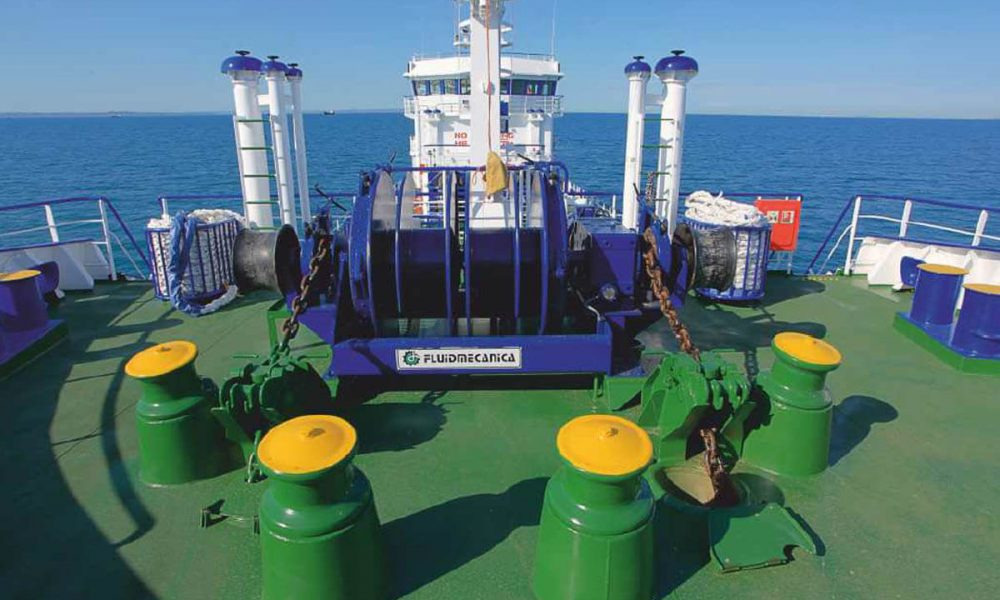
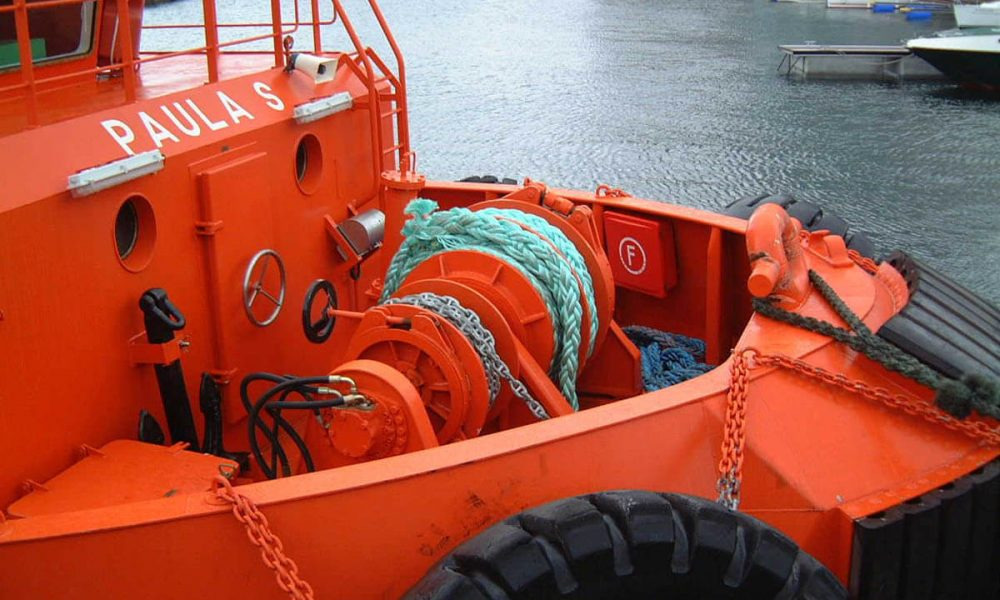
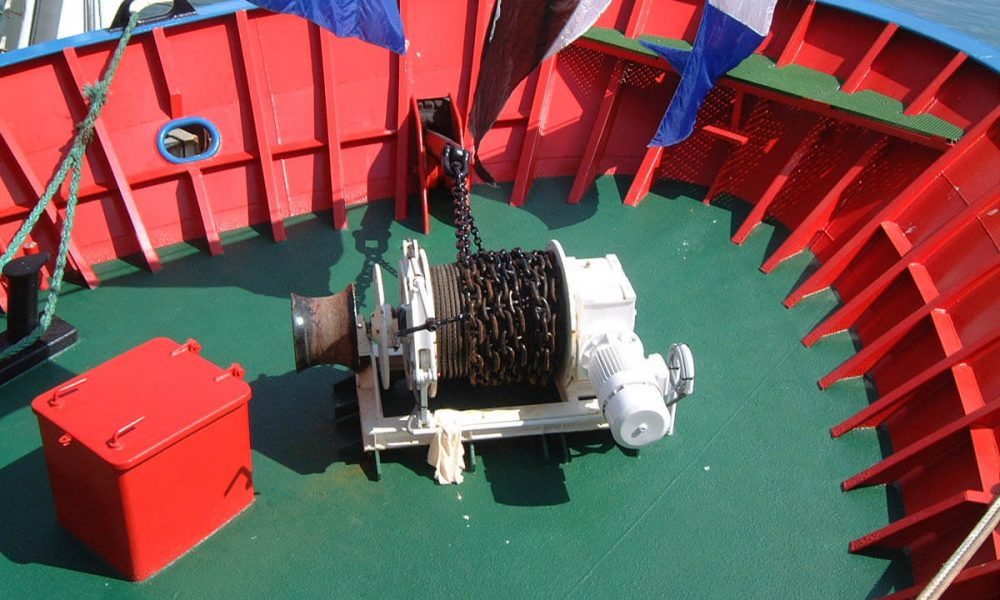
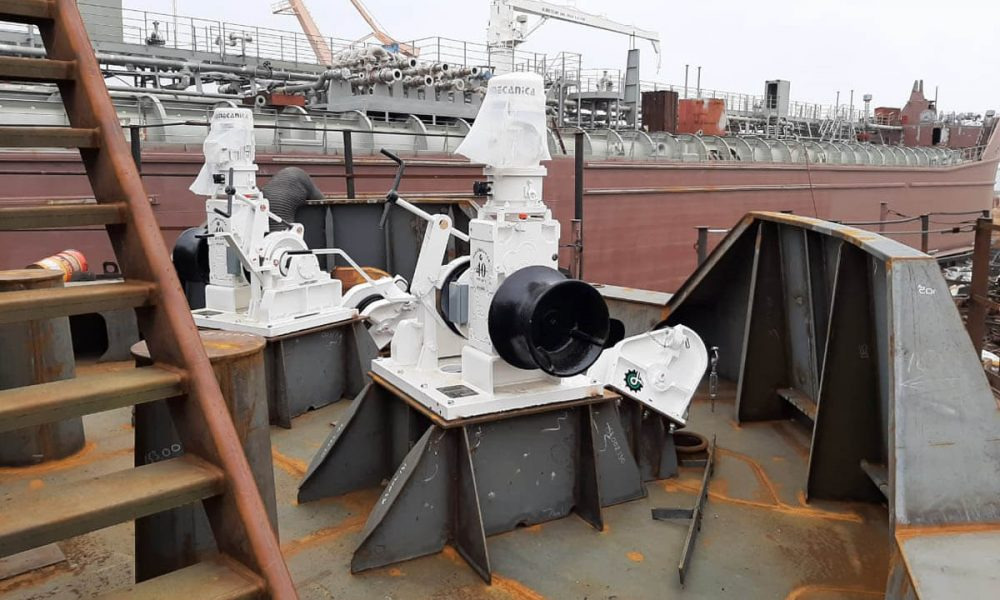
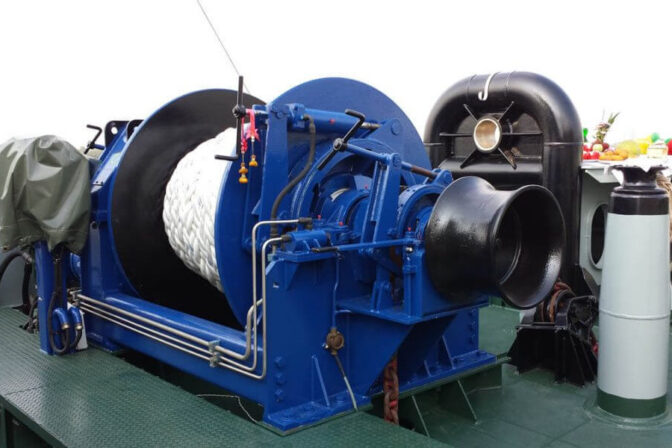
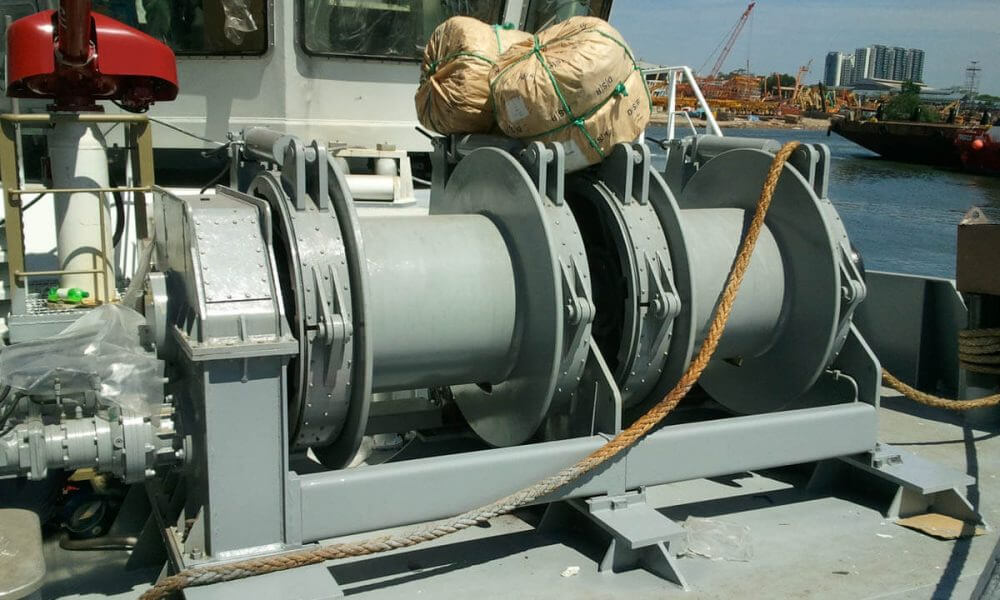
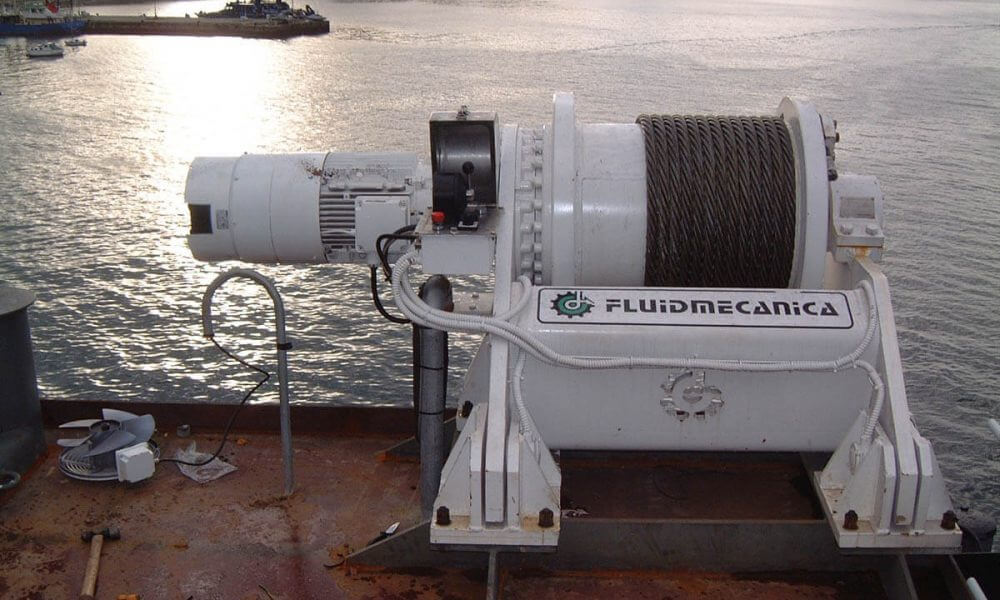
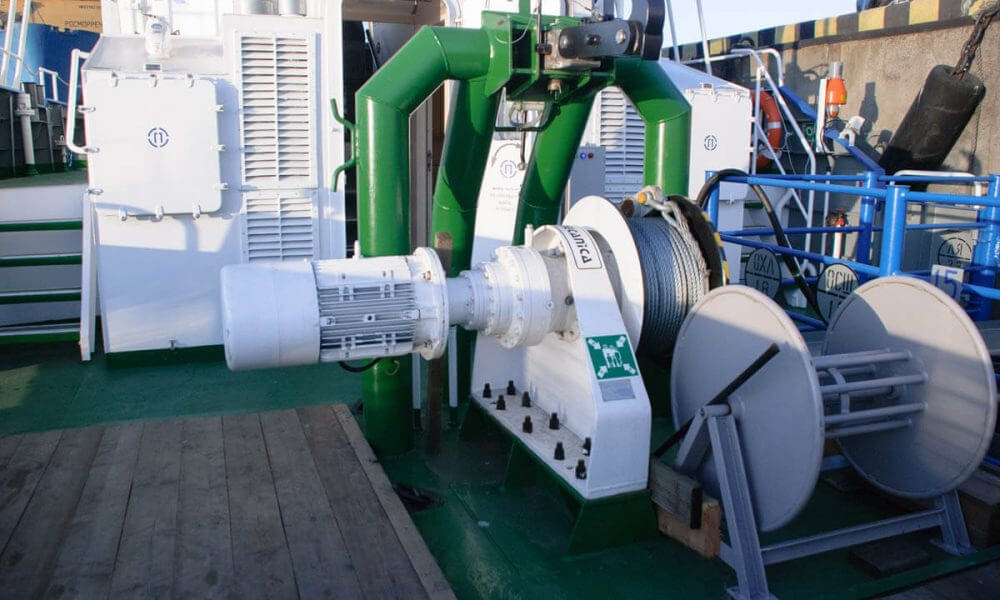
Windlasses with cast-steel capstans for working the mooring ropes. Cast steel chain lifters fitted with clutches to allow independent operation of the capstans, and with independent brake belts. Driven by hydraulic or electric motor.
Manufacture and design of roller stoppers, guillotine or spindle glands, built in steel or stainless steel according to the customer’s requirements.
TECHNICAL FEATURES
Nominal pull: up to 36 Ton
Drive: electric, hydraulic or pneumatic
Chain: up to Ø100 mm
Number of chain lifters: up to 3
Number of warping drums: up to 2
Chain type stoppers: roller, spindle or guillotine
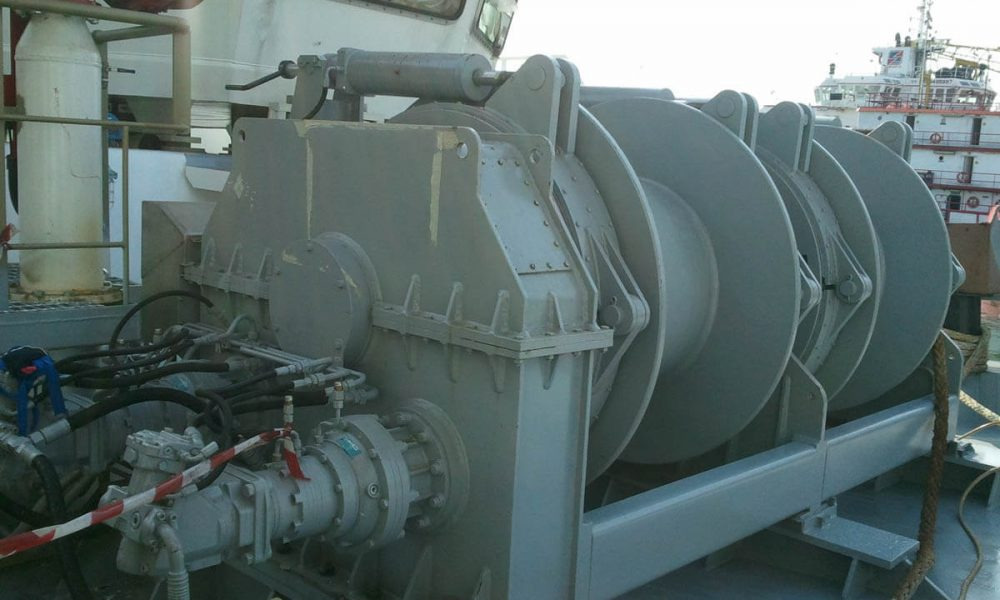
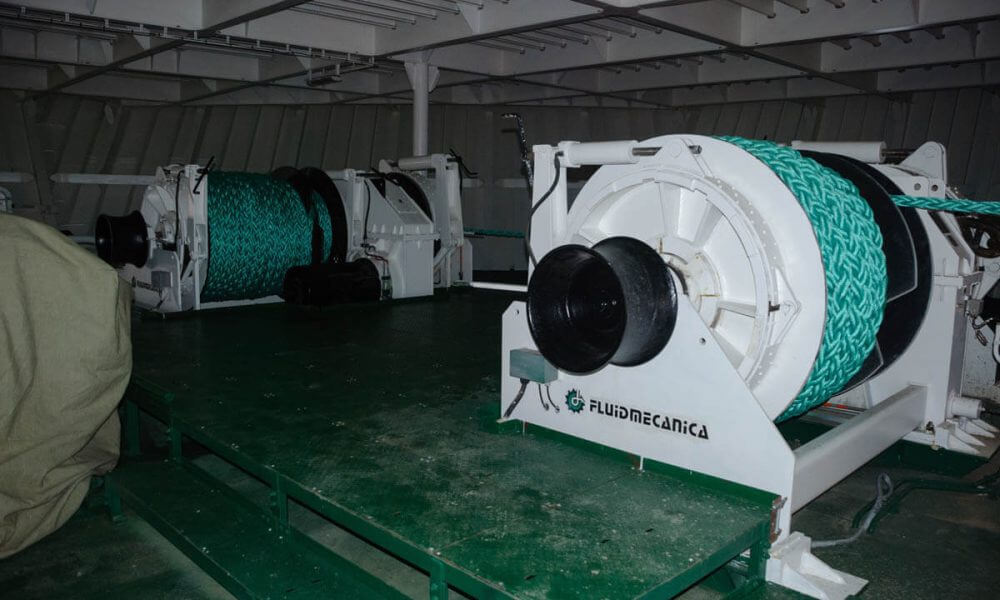
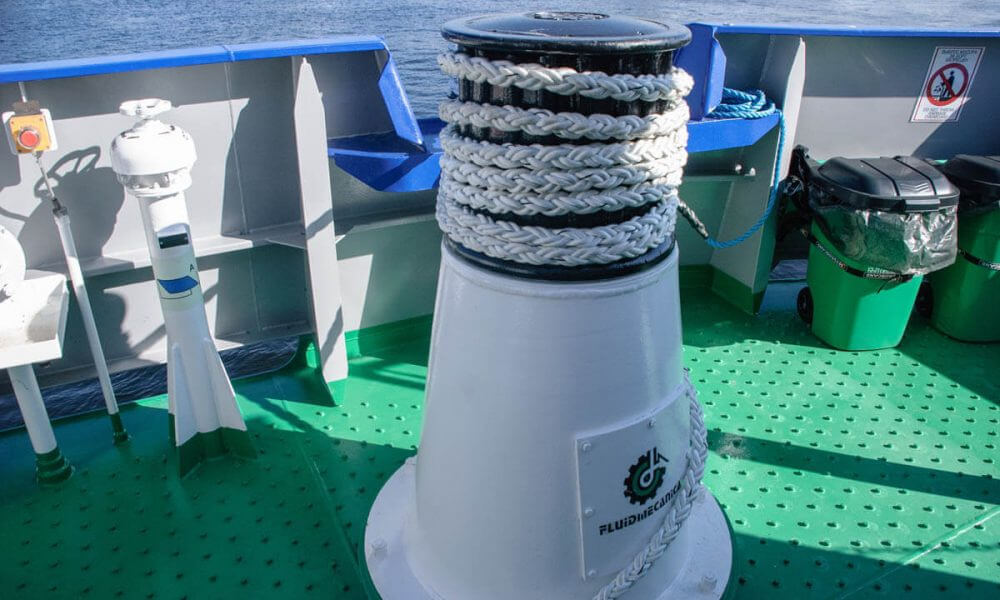
Design and construction of capstans and any type of pulling, lifting or storage machinery according to the customer’s needs. Driven by hydraulic or electric motor.